Choosing the right small group tour can be the difference between a trip that ticks boxes and one you will talk about for years to come. This is our honest guide to help you find that trip, no matter which operator you end up booking with. Of course we will tell you about Untold Italy Tours along the way, but more importantly, we will give you the framework to find the right tour company for your own needs and interests. Use this as a guide to work out what you really want from your trip.
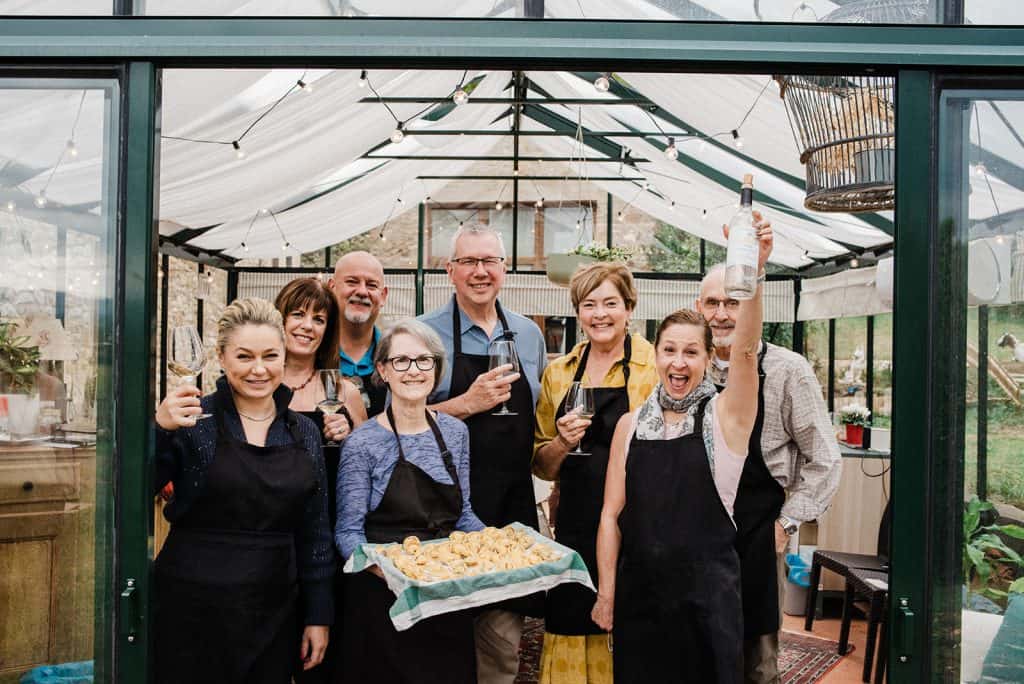
It is a warm evening in the Umbrian countryside. The whole group is gathered at the home of Sarah, one of our Untold Italy hosts, and her husband Sal, taking turns rolling out pizza dough and choosing their toppings before sliding them into the wood-fired oven with Sal’s help. Fireflies drift through the warm air. A gentle breeze moves through the garden. Local musicians are playing in the corner, and a few of Sarah and Sal’s neighbors have dropped by with a bottle of wine. Someone looks up and says it quietly, almost to themselves: this is the Italy I always dreamed of.
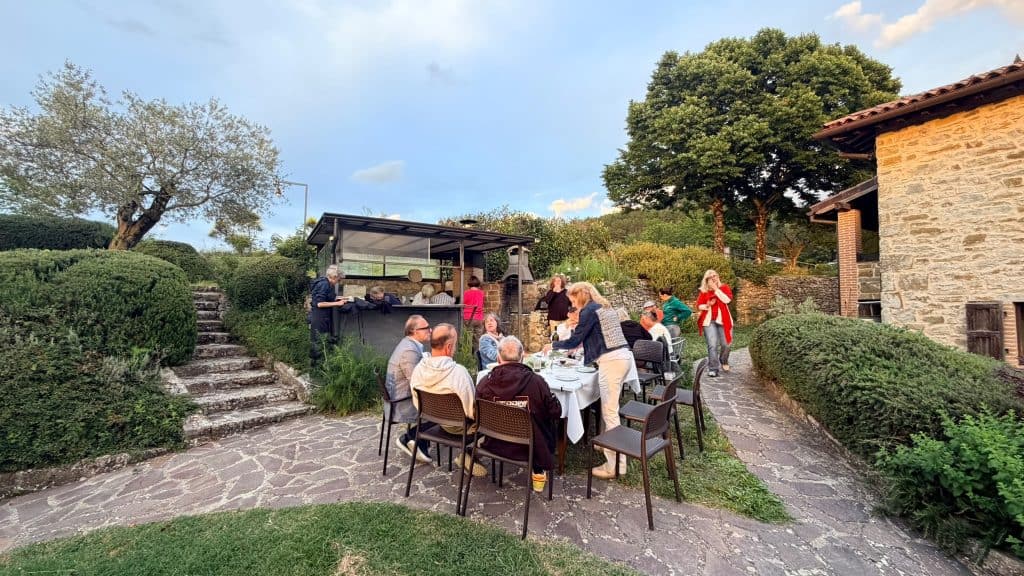
That moment was not a ticketed experience or something you can book online by yourself. It happened because Sarah knows her neighbours, because those neighbours felt comfortable dropping by, and because a group of twelve people who barely knew each other a few days earlier had settled into something that felt less like a tour and more like being part of the place.
That is what we are trying to build on every trip. And it is what we think you should be looking for when you choose a small group tour of Italy.
Our founder Katy has been traveling to Italy for over thirty years, and the team all either live there or travel there regularly. We have spent years helping travelers plan independent trips and have heard a lot of stories about tours that fell short. The complaints are always the same: too rushed. Too generic. Hotels that were fine but forgettable. Groups that never quite came together. Moments that should have happened but did not. Care that was just not there. Perhaps most disappointingly, hearing from guests that they got to see the sights, but never felt part of the land, the people and their traditions. Ultimately, this is what led us to starting our own small group tour company in 2022.

Check the itinerary carefully
When you have found some tours that interest you, the first thing you should do is open Google Maps with the itinerary next to you. Website pages will call out well-known destinations for a reason, but look at the full list of places a tour visits. The point is not to find the tour that covers the most destinations; in fact, it is almost the opposite. What you want to understand is how often you will be sitting on a bus, traveling, rather than on the ground, experiencing things.
A tour that covers Rome, Florence, Venice, and the Amalfi Coast in eight days tells you something important. It tells you the operator is building an itinerary around names people recognise, not around what is truly enjoyable in the time available. A quick glance at a map and you can see the huge distances involved. It means you will move every day or every other day and spend a meaningful portion of the trip in transit. Yes, you will see things, but you will not have time to experience the places and the people in any meaningful way.
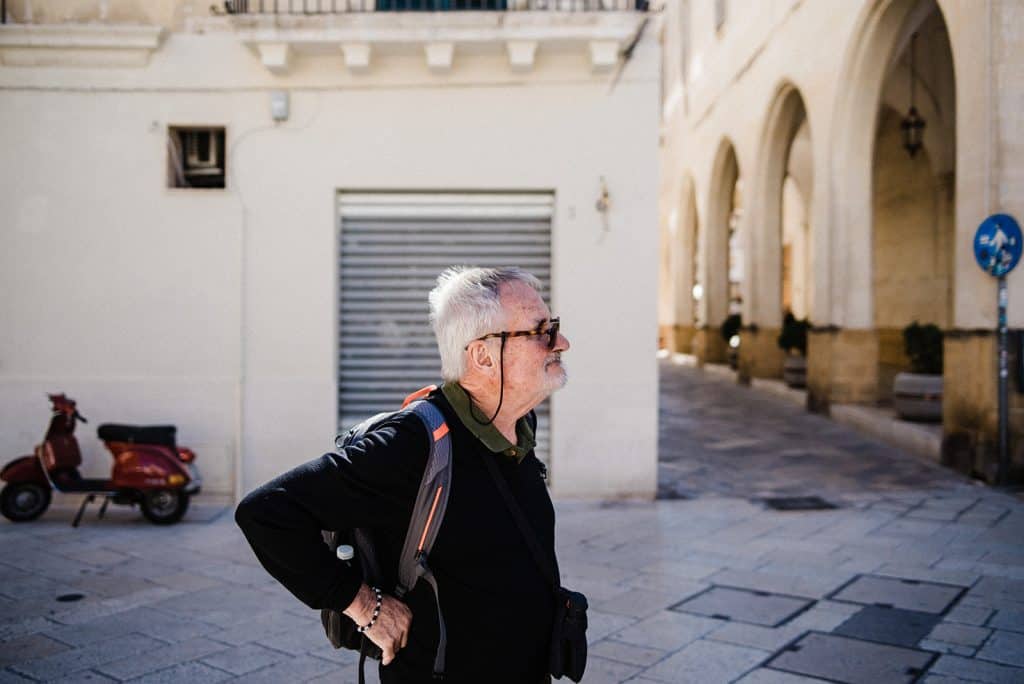
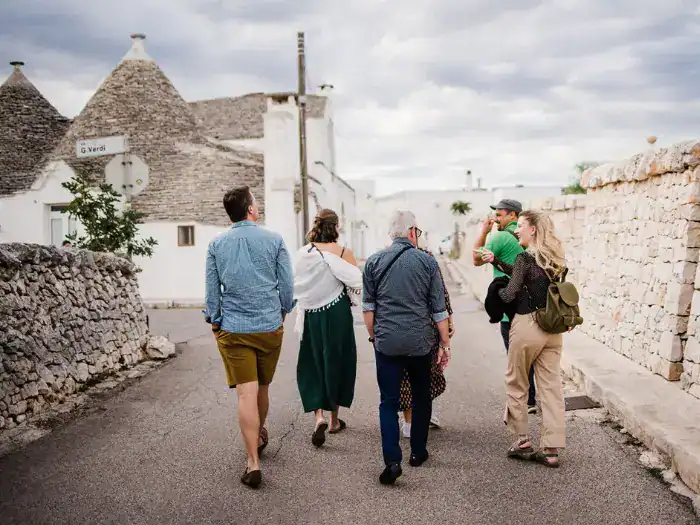
The tours we find most compelling are built around a region and stay there for the whole trip. A week in Puglia. Ten days in Tuscany. Twelve days in Sicily. A trip that focuses on one region allows you to truly experience a place, rather than race through it. You will have time to visit the highlights as well as places that are not on everyone’s list. Instead of spending hours on a bus, you will be out and about exploring.

On our Puglia tour, guests spend five nights based in a gorgeous masseria with one special overnight in a luxury cave hotel in Matera. It is one of the most talked about nights of the whole trip. But the reason it works is precisely because guests are not moving every day. They are rooted in one place long enough to feel at home, and the cave hotel feels like a genuine highlight rather than just another check-in.
Check how many different accommodations you will stay in. More than three or four changes on a seven-day tour is a warning sign. Packing and repacking is not Italy.
Understand what small group means
We heard from a friend recently whose aunt had just finished a ‘small group’ tour of Italy. Guess how many people were in her group? Fifty. That is not what we consider a small group to be.
When you are choosing your tour, it is really important to understand the group size, as this can differ drastically from operator to operator. Technically, small groups can mean anywhere from 8 to 22 people and there is a big difference between traveling with 12 guests versus 20.

With just 12 guests, your whole group fits around one table at dinner. The guide can read the room and adjust the day, or even personalize things. If you stumble across something worth staying for, staying is a real option. The group bonds relatively quickly and by day two, most people know each other.
When you get to a group of 20, you automatically split across tables at dinner. The group has to break up for experiences. You spend an incredible amount of time waiting for everyone before you head off anywhere – think of the sheer amount of time spent on bathroom breaks alone. It is still a more intimate experience than a large coach tour, but there is a significant difference.
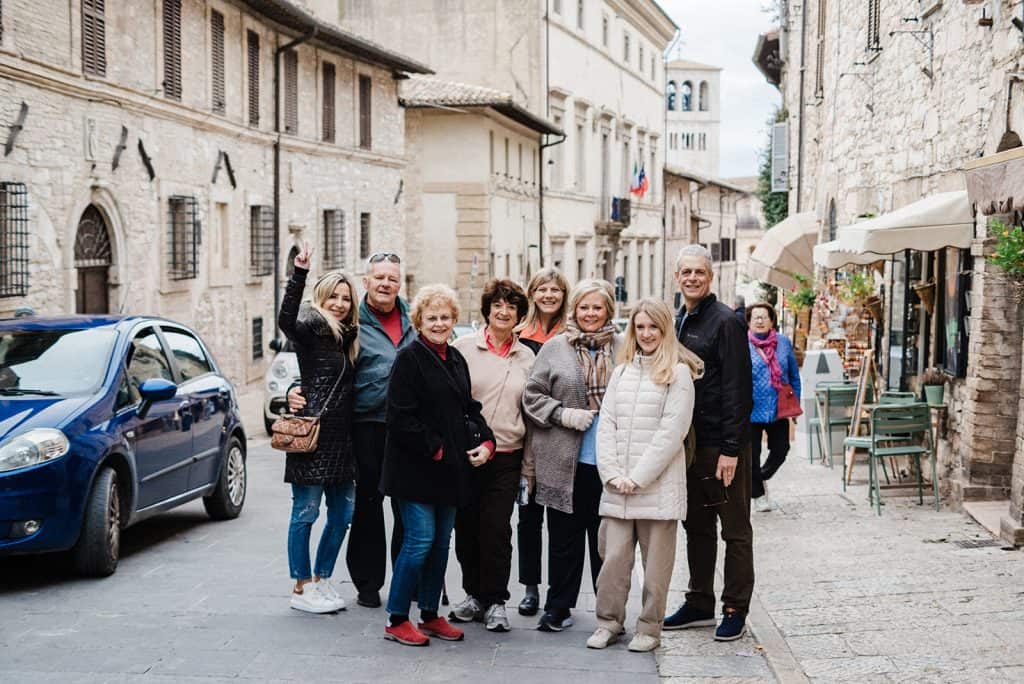
All Untold Italy Tours have a maximum of 12 guests. We made that choice because 12 is the number at which one dining table still works and our hosts can still respond to people in a personalized way rather than just managing them.
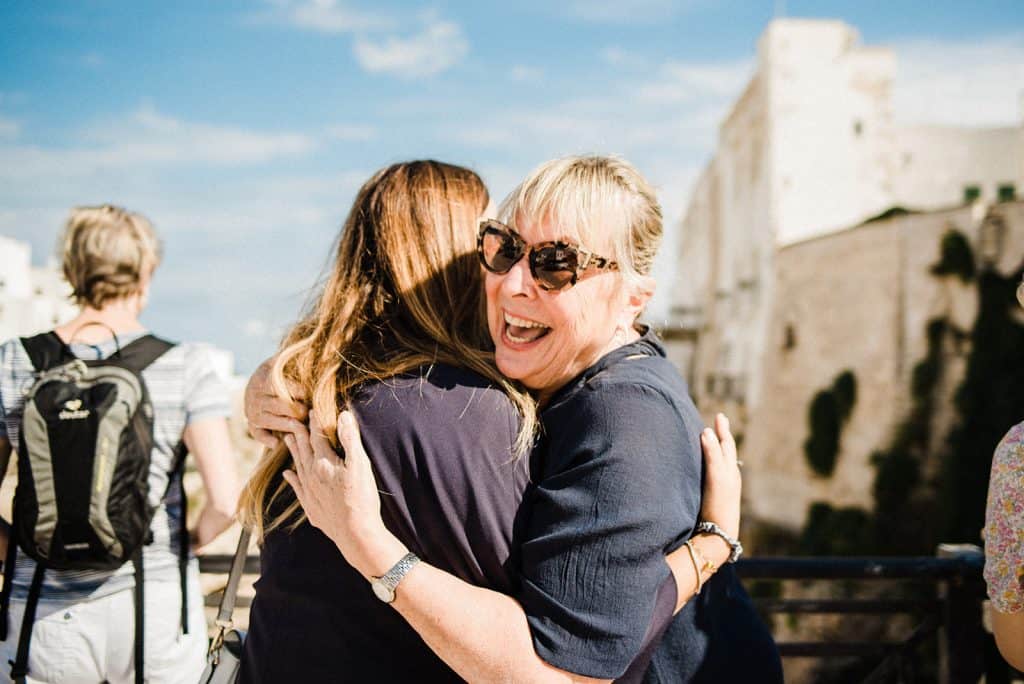
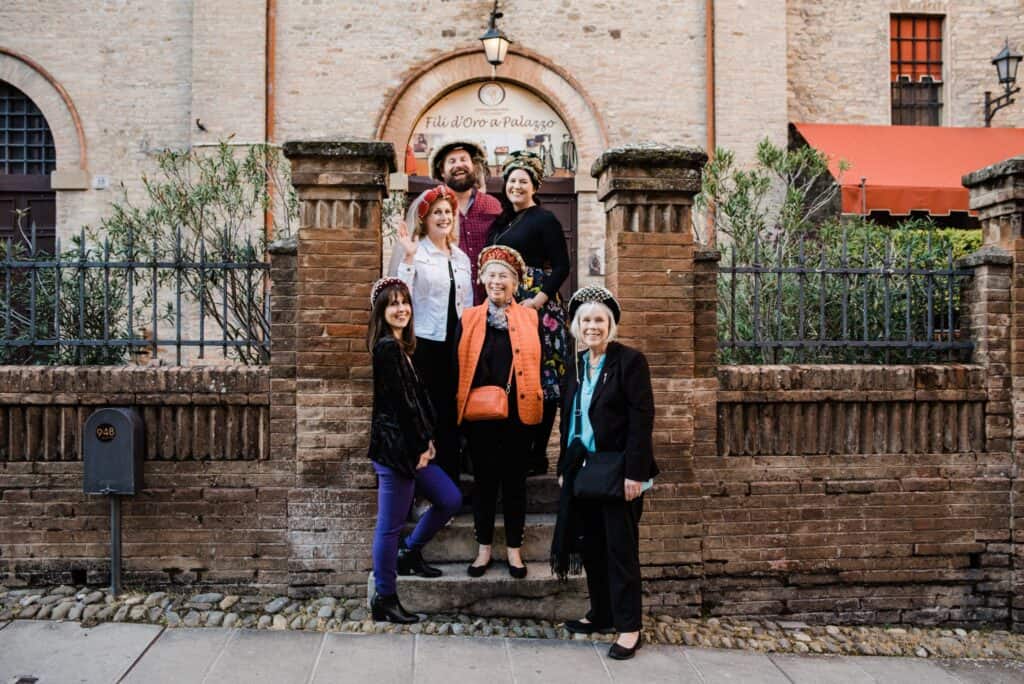
Sometimes those tables become the start of something even more special too. A group of guests who met on our Umbria tour in 2025 got on so well that they have since booked our Sicily tour in 2027 together. In a small group, real friendships can blossom in a way that’s more difficult at a table of twenty.
When you compare operators, ask for the maximum group size.
Know what is included in the price
Tour pricing can be hard to compare because different companies show their inclusions differently. The number that matters is not the advertised price, it is the total cost of your trip once you have added up everything the tour does not include.
Most good small group tours include accommodation for every night, daily breakfast, most lunches and dinners, all in-country transport, entrance fees, and a dedicated host or guide for the full duration. What you need to compare between tours is whether evening meals, wine with dinner, single room supplements for solo travelers, and gratuities are included, as these things can quickly add up.
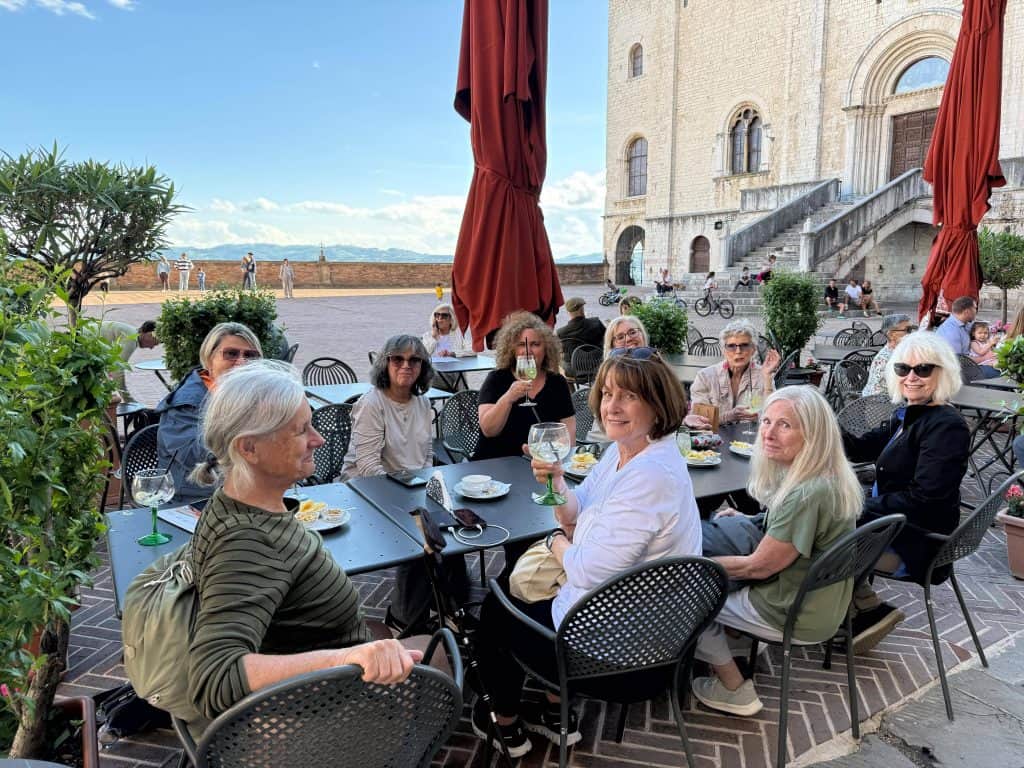
On Untold Italy Tours, gratuities for local guides are included in the price. Gratuities for tour hosts are at each guest’s discretion.
Most tour companies in Italy do not include flights in their tour packages as they are not travel agents. Travel insurance is not mandatory for every tour company, but we always recommend it and it is a requirement if you travel with us.
A $4,500 tour that includes all meals, wine at dinner, and every experience in the itinerary will often cost you less than a $3,200 tour that excludes most dinners, charges separately for alcohol, and offers add on activities. Do the math before you decide.
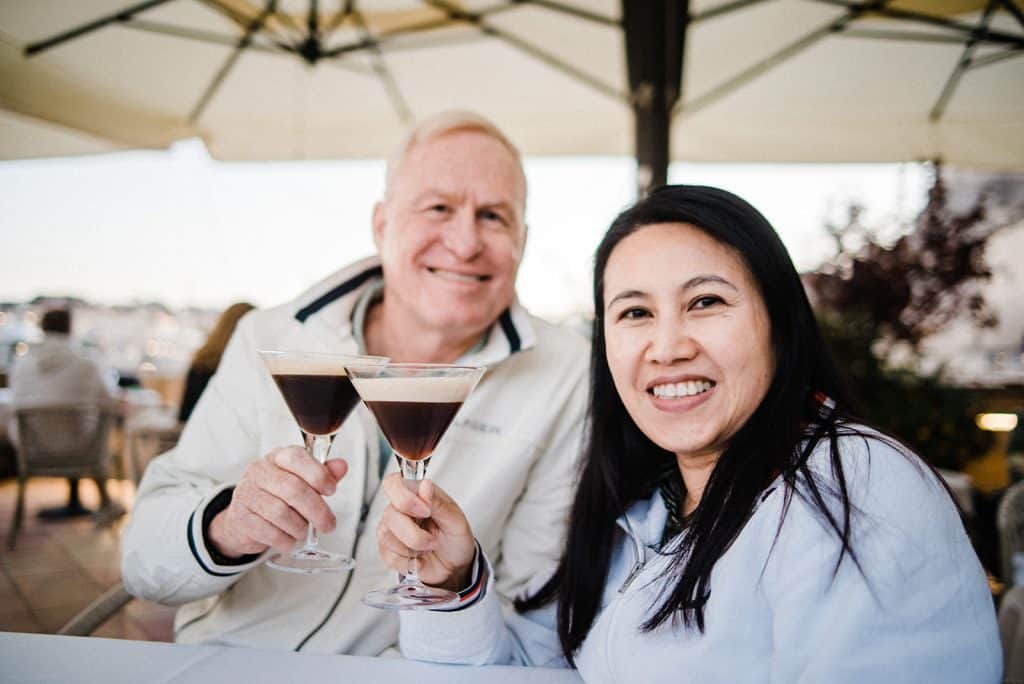
One more thing on this: the best operators build in small surprises that never appear on the inclusions list. We do not want to spoil the magic but at Untold Italy Tours our guests are treated to this all the time. A round of cocktails one evening. A gelato stop on a hot afternoon. A spontaneous local performance. These are not upsells, they are just what it feels like when a company is thinking about your experience and enjoyment.
Look carefully at where you will be staying
This is less about whether a property is four-star and more about where it is located and what it feels like. Both are things that will have a big impact on your overall experience.
A locally owned property in the center of a hilltop town in Umbria is a very different experience from staying in an international chain hotel in a business district thirty minutes outside the places you are visiting. Both can be four-star, yet only one of them gives you Italy when you step outside in the morning.
Accommodation is not an afterthought on Untold Italy Tours. We keep specific details close to our chest because we have worked hard to find the right properties for each of our tours. We stay at boutique places run by hosts who genuinely care about the people who stay there. We do not stay in big, soulless chain hotels. We handpick locations where linens are luxurious, breakfasts are homemade, and the owners are local.
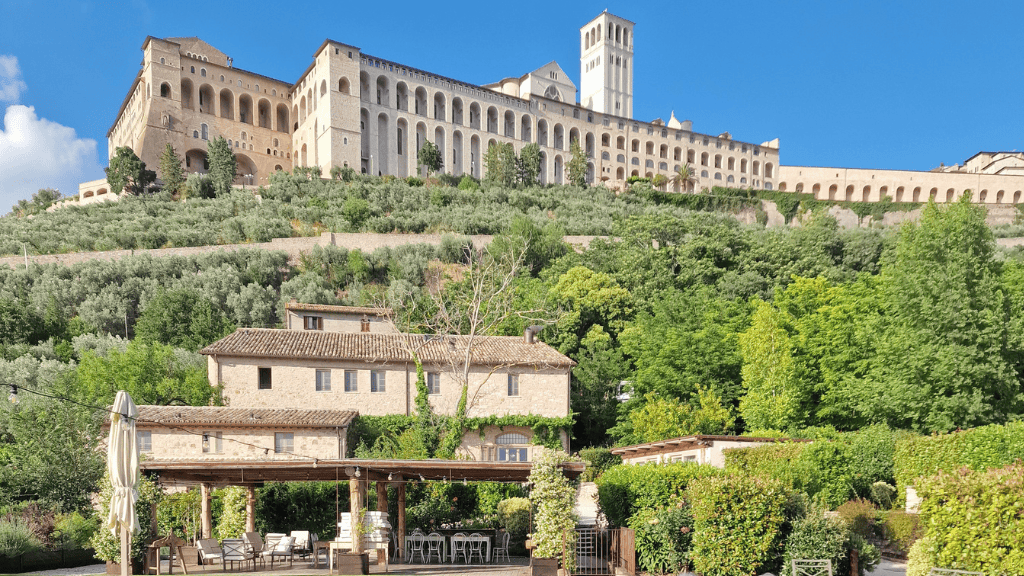
In Umbria, we stay at a property at the foot of Assisi that was once home to Benedictine monks. They cultivated the garden for herbal remedies and that same garden still feeds the restaurant today, with fresh herbs used to garnish dishes and flavour cocktails. In Piedmont, we stay at a gorgeous country house relais run by a local woman architect with a deep commitment to sustainability and local tradition, a Slow Food member, and a trained sommelier who hosts our guests beautifully. Near the Cinque Terre, we stay in a former Franciscan abbey in a beautiful seaside town well away from the tourist crowds, now run by two local women who have made it entirely their own.
For any tour you are considering, ask where the hotels are located within each destination and whether they are locally owned. If the itinerary mentions an agriturismo or a palazzo, this is a good sign as they are often full of character and those nights tend to be the ones guests talk about most when they get home.
Ask about the practices behind the marketing
Every tour operator website uses the words sustainable, responsible, and local. Some back that up with independent certification, for example Travelife and B Corp are two well-known examples in the travel industry. Many smaller, independent operators, including us, don not currently hold that kind of certification, and we think it is worth saying so plainly rather than implying otherwise. It is something we are actively looking into.
In the meantime, here is what we can tell you honestly about how we operate. We work directly with local, independent partners on the ground rather than large destination management companies. We are a small, independently owned business, and the majority of what guests spend on tour stays in Italy with the people and businesses we work with.
Our team is entirely female, several of our tour hosts are Italian women living and working in Italy (Manuela in Rome, Giulia in Emilia Romagna, Silvia in Sicily) and where we have a choice between suppliers, we look to work with women-led wineries, farms, and artisan businesses.
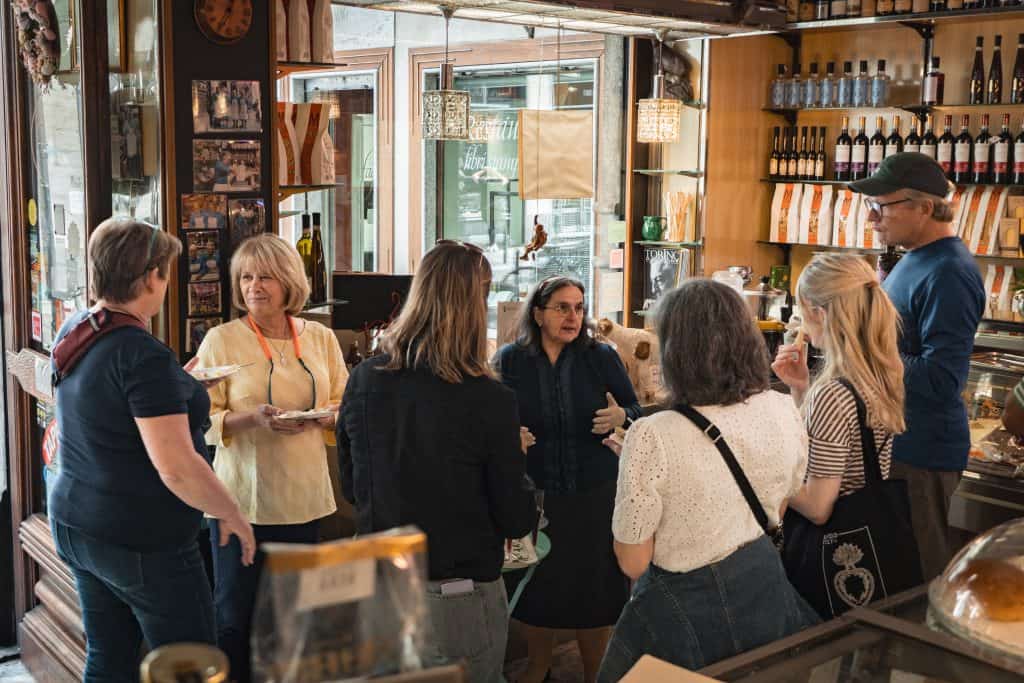
On the environmental side, we discourage single-use plastic throughout our tours and provide every guest with a reusable water bottle at the start of the trip to refill each day.
Our founder Katy is also passionate about using the Untold Italy podcast as a platform to showcase real Italians and the businesses they have built.
These are not certified claims. They are simply how we choose to run our company, and we are happy to be asked about any of them.
If certification matters to you when choosing an operator, ask directly whether a company holds one, which body issued it, and when it was last audited. A company with a genuine certification will have that information ready immediately.
Local specialist or a global company?
There is a real difference in the kinds of experiences you will have depending on whether you travel with a specialist Italy operator or a global company that includes Italy in a broad portfolio of destinations.
Global operators have genuine advantages like established infrastructure, broad reach, and reliable booking systems. But what they often lack is the kind of Italy-specific knowledge that only comes from years of on-the-ground relationships. Their itineraries tend to reflect a well-trodden tourist path. They include the famous sights, restaurants that can accommodate large groups on short notice, and experiences designed for a mass market audience.
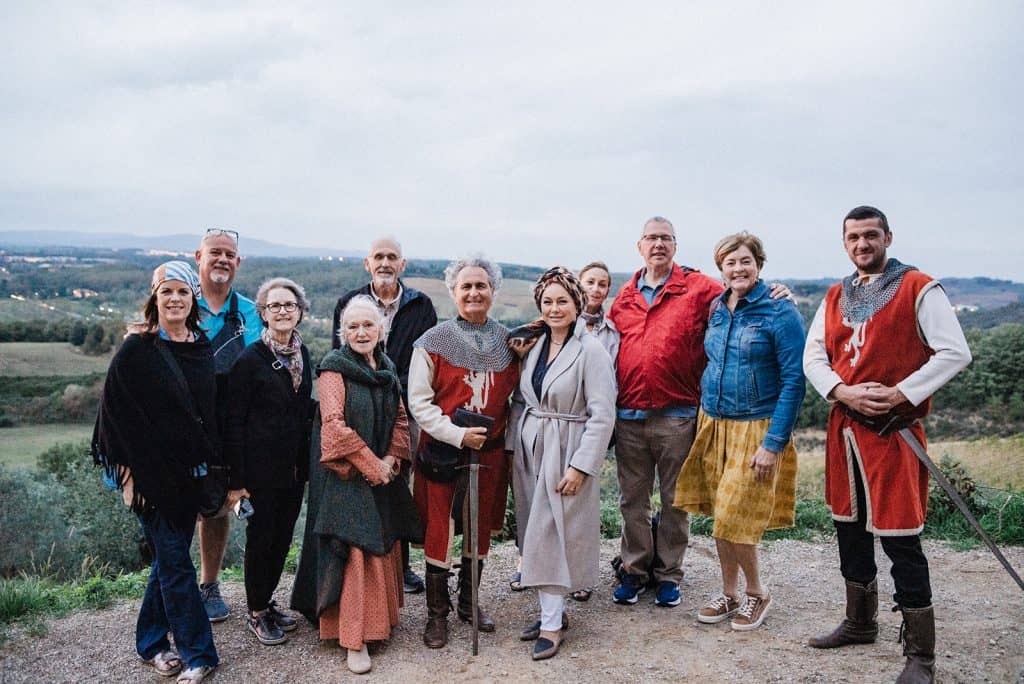
When you travel with a specialist operator, particularly one with a team based in Italy, things are different because they know the people personally. The restaurants they use are ones they eat at regularly. The farms, wineries and artisans they visit are people they’ve known for years.
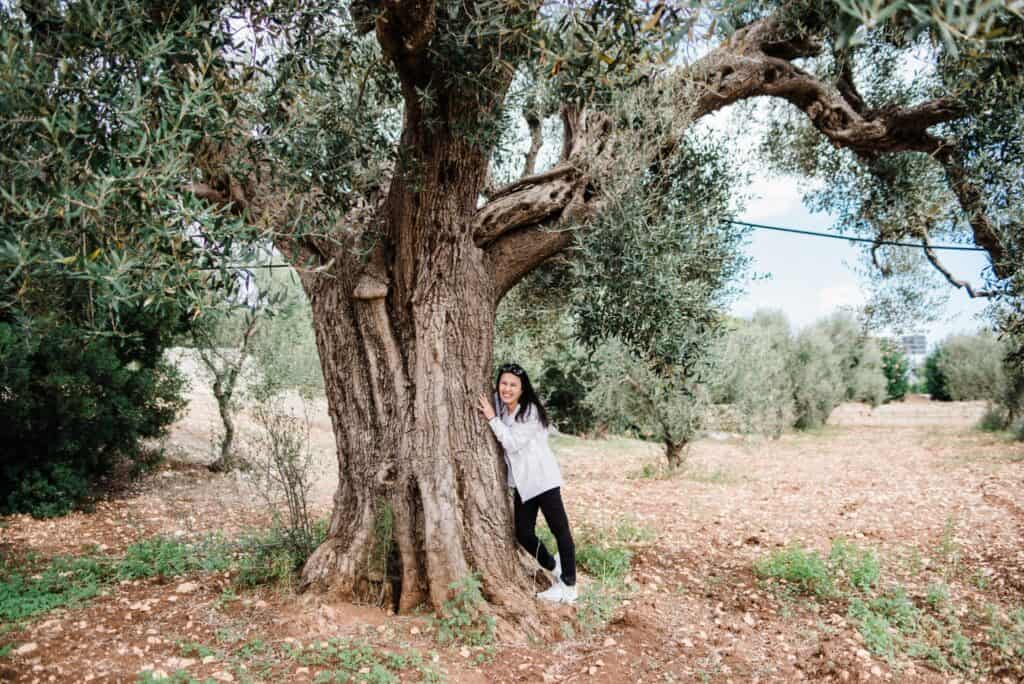
In Puglia, our driver stopped at a roadside peach stand mid-afternoon and bought the whole group fruit directly from the farmer who had grown it. That was not in the itinerary. It happened because he knew the farmer, knew the peaches were ready that week, and knew our guests would love it. On the same tour, he took the group to his family’s property to stand beside an olive tree that had been producing fruit for over a thousand years.
In Sicily, our host arranged for one of our guests to meet the mayor of her ancestral town. It had come up over dinner that she had family connections there, and the meeting was arranged for the following morning.
In Umbria, a guest was invited to take part in the Spello Infiorata, the festival where entire streets are carpeted in fresh flower petals. All because our guide struck up a conversation with one of the design team leaders in a different town we’d visited the day before.
None of those moments were planned. All of them required someone with real roots in the place.
Experiences you will not find online
This is something we feel strongly about. The best moments on a tour in Italy are not the ones you could have booked yourself from a laptop. They are the ones that come from relationships built over years and they are often the ones guests talk about for the rest of their lives.
We visit friends’ homes and are invited in for meals. We sit around kitchen tables with winemakers whose families have been tending the same vines for generations. We meet artisans with extraordinary stories, not a quick stop at a tourist shop, but a real visit to someone’s home and studio.
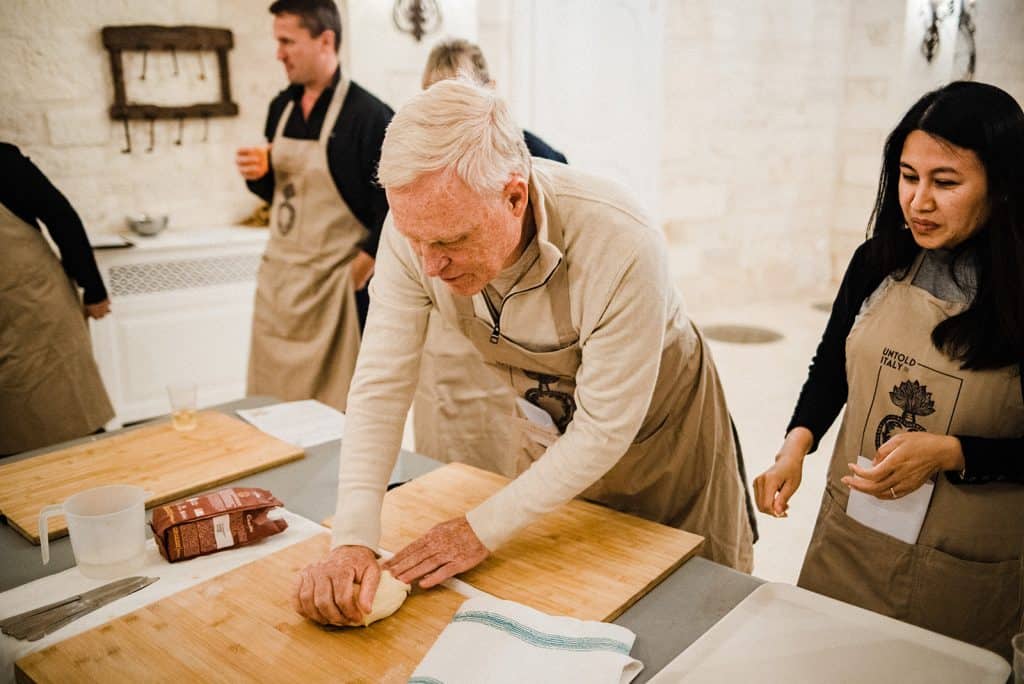
In Puglia, we visit a ceramicist whose work we love and have given as gifts to guests returning home. When he started digging up his backyard to build a bicycle garage, he uncovered something remarkable, an ancient discovery that stopped the project entirely and changed everything. He will tell you the story himself. Dan Brown has even paid a visit.
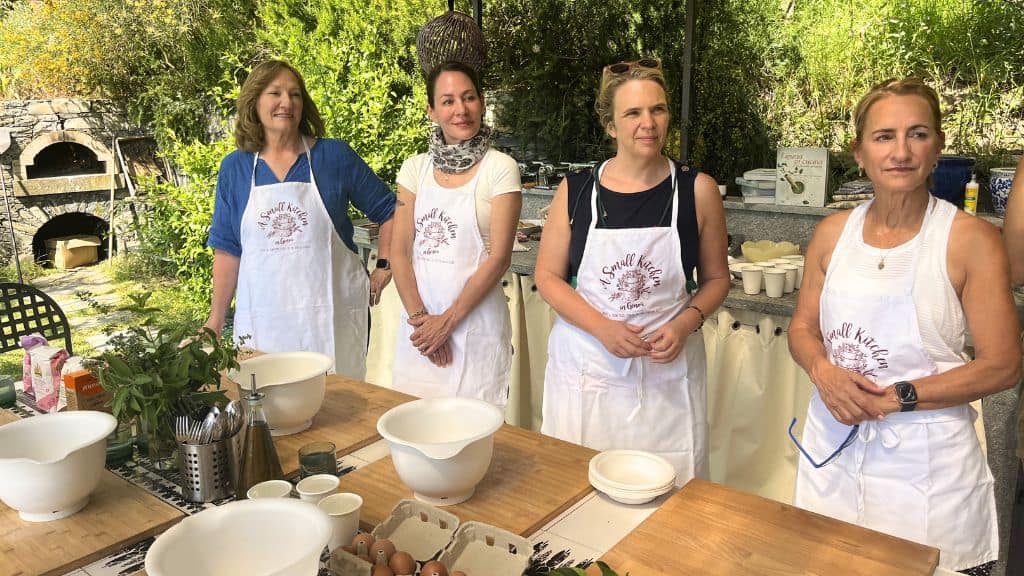
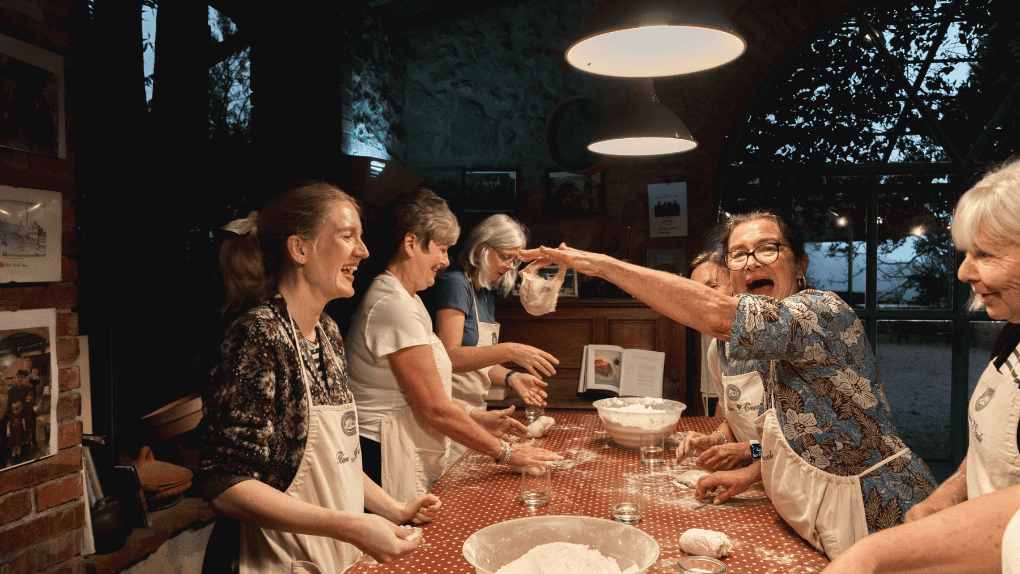
The cooking experiences on our tours are built around the same philosophy. We are not teaching you to make spaghetti al pomodoro. In the Cinque Terre, you will learn to make a peach salad, an extra virgin olive oil cake, and a local pasta filled with potato and cheese served with a mint sauce. Dishes tied to that specific place, that specific season, that specific kitchen.
In Umbria, guests have spent evenings at Sarah and Sal’s countryside home making pizza while fireflies flicker outside. In Piedmont, Raffaella teaches you to fold delicate agnolotti while her mischievous pet pig potters underfoot.
These are not experiences you can find listed on a booking platform. They exist because of trust built over time and that trust takes years.
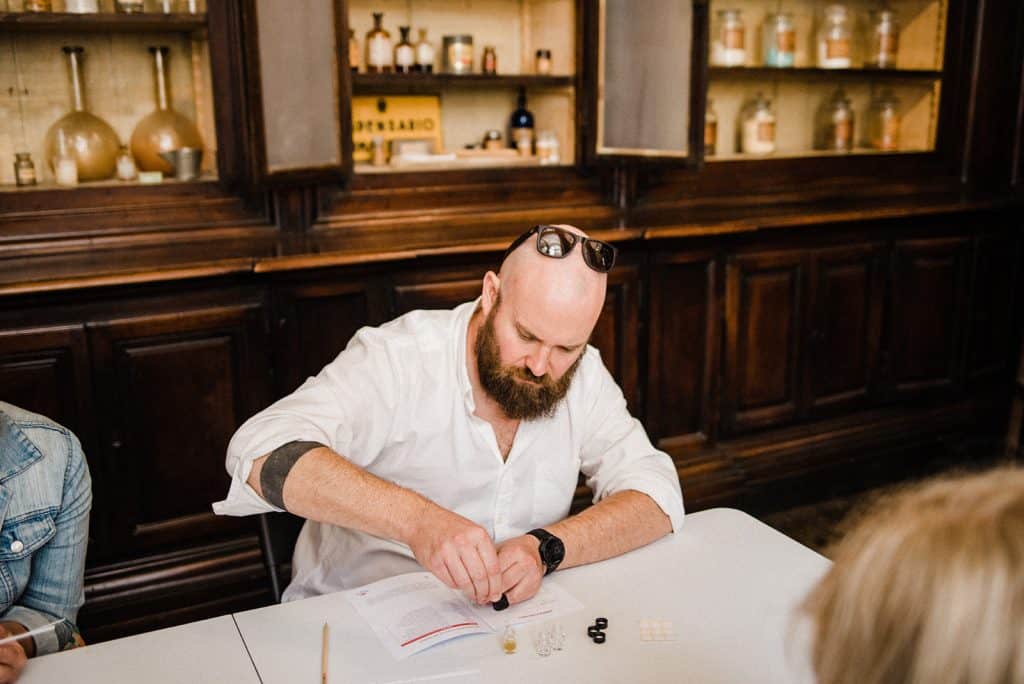
Look for a company that takes food seriously
Italy has one of the great food cultures of the world, and a tour that doesn’t reflect that is a missed opportunity. It’s worth asking any operator: where do you eat? Are these places that locals go to, or are they set up to handle tour groups?
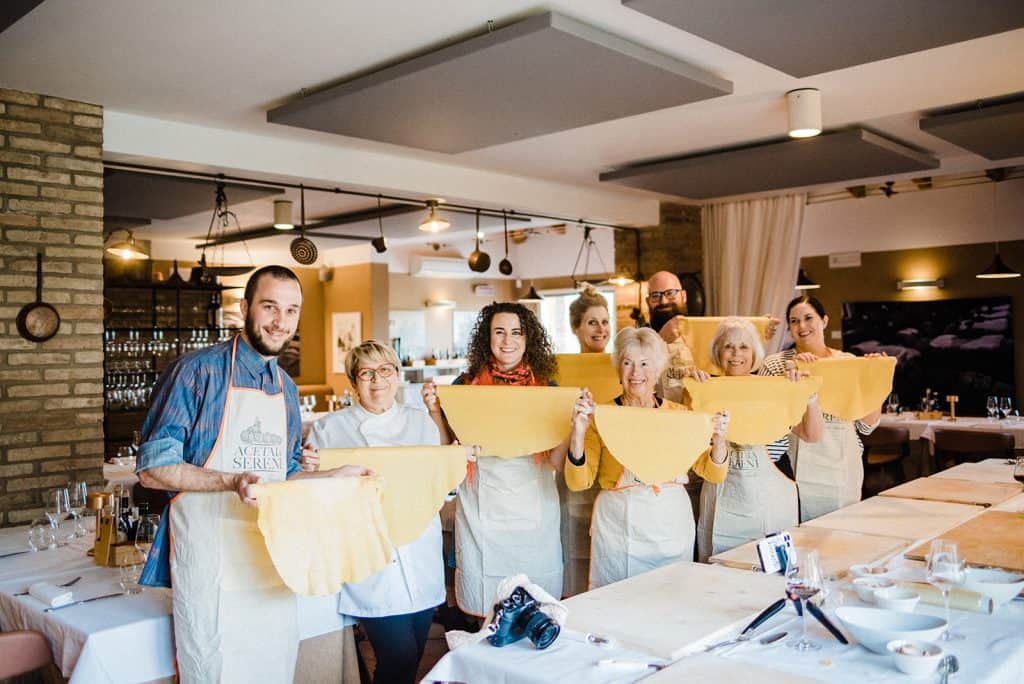
On Untold Italy Tours, we do not eat at tourist restaurants. We seek out the real thing. Family-run trattorias, farm tables, producers who open their doors because they know us. We pour organic and natural wines. We eat locally and seasonally.
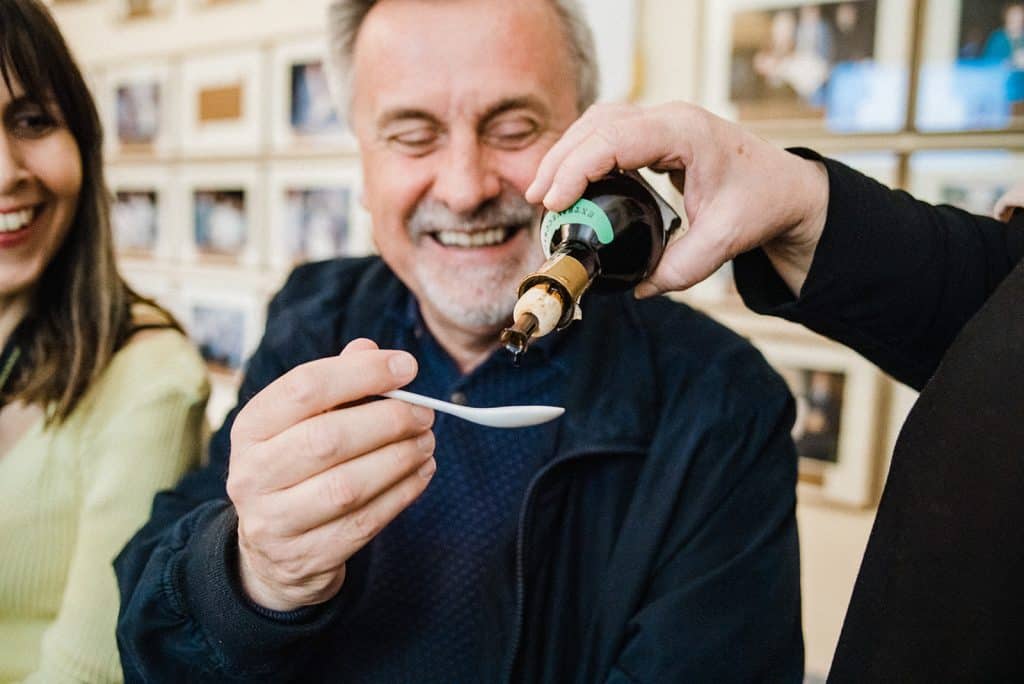
We also know that loving food doesn’t look the same for everyone. Over the years we have hosted guests who are vegan, vegetarian, gluten-free, dairy-free, and everything in between. Italy is more accommodating than people assume and with the right operator and a little advance planning, dietary requirements rarely mean missing out. We take this seriously and plan for it properly on every tour.
Scheduled tour or private tour?
Most operators offer both, and the right choice really depends on your situation. A scheduled tour has fixed departure dates. You join a group of travelers you have not met. The cost per person is lower because it’s shared across the group. For solo travelers, or for anyone who wants the experience of meeting other people who love Italy the way they do, scheduled tours often produce the richest social experiences.
Several of our guests have made lasting friendships on tour and gone on to travel together independently afterward. Carol is one of our most loyal guests. She has joined us seven times and has two more tours booked for 2027. Recently she wrote to us to share that she had connected guests from different Untold Italy tours with each other before an upcoming trip, and that group of women were already sitting together around a table in Lucca. “Untold Italy brings friends together and I love it,” she wrote. That was not something we organised. It was something the community created on its own.
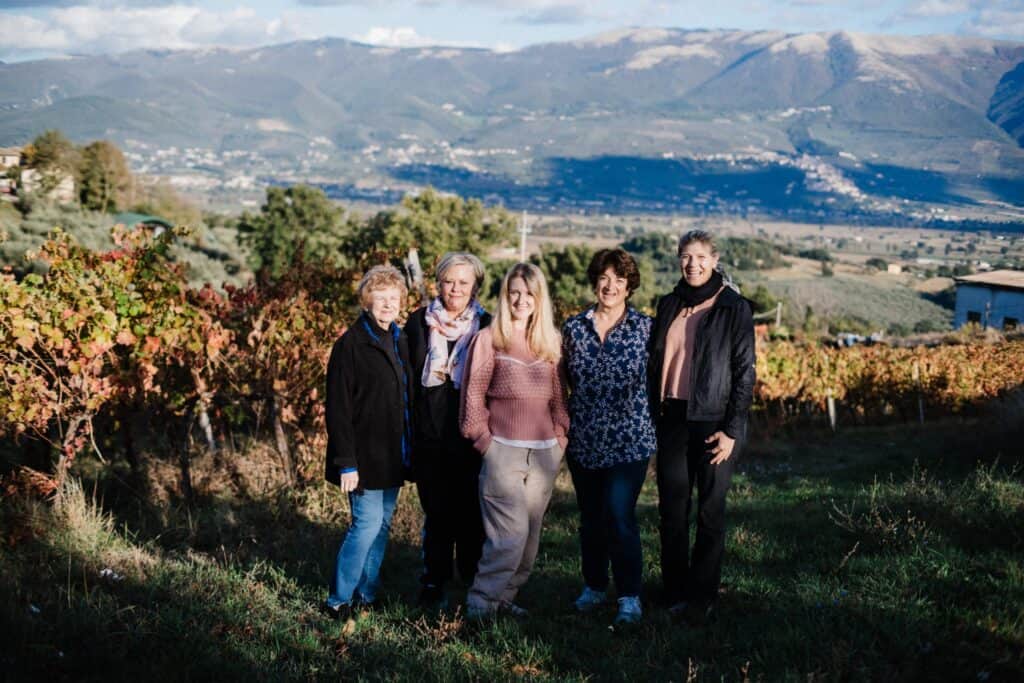
A private tour uses the same itinerary and the same level of hosting, but runs exclusively for your group on dates you choose. It costs more and offers more flexibility. It suits families, groups of friends celebrating something, or couples who prefer to travel with people they already know.
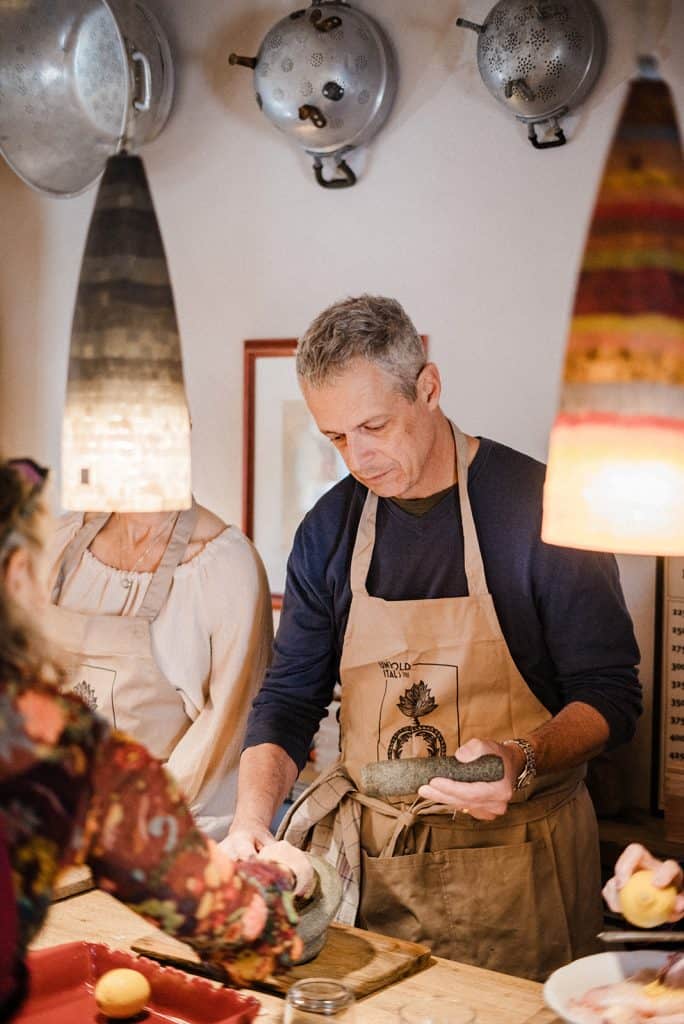
It is worth saying that a private tour is not necessarily more personal than a well-run scheduled tour. A scheduled tour with ten like-minded people and an excellent host can feel just as connected as a group who have known each other for years.
Ask about the pace and free time
This is one of our most asked questions and it is a really important one. There is a fine balance between having a full program and being left to your own devices a little too much.
Of course you want to feel like you are getting value for money with full days and lots to do, but there is an art to planning an itinerary that allows a balance between being busy and having some downtime.

The tours we respect most are built around this idea. Guided time and free time are both intentional. Some days, the highlight might be a long lunch that stretches into mid-afternoon as that is a real Italian cultural experience. Having an unscheduled hour to explore a market town on your own isn’t a gap in the program. It is where your best Italy stories will come from.
Always ask if there is free time built in every day, and whether you will have time to wander on your own, sit somewhere with a coffee, or opt out of activities if you want a slower afternoon.
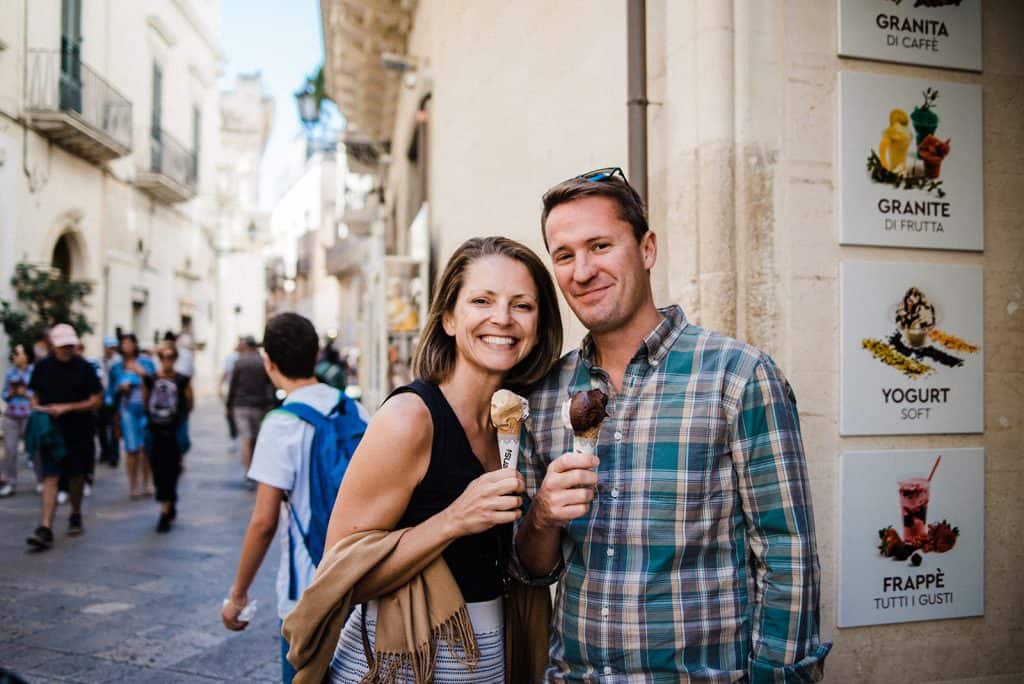
Consider the support you will get before, during and after
The best operators do not just offer an excellent tour, they offer support before the tour, during it, and after. You can start to understand a lot about how a company operates even before you book, just through your experience of enquiring with them.
Before departure, a well-run company will send you detailed information with enough lead time to be useful. Not just logistics, but context: the history of the region, the food, traditions, what to expect.
At Untold Italy Tours, guests receive a pre-departure immersion guide designed to start the experience well before they arrive.

During the tour, the best hosts are always accessible, friendly, and helpful. They will answer your questions clearly and provide a level of care that you can only get when you’re hosted by people who love people. That is a job requirement for all of our Untold Italy hosts and something you just can’t fake. We set up a WhatsApp group before each tour that guests are invited to join, where the host shares important meeting points and times. It is also a lovely way for guests to share their photos and stay in touch well after the tour ends, if they would like to.
After the tour, most operators disappear. The best ones do not. We stay in touch with our guests, help them plan return trips, and for those who keep coming back, we make sure they know how much that means to us. When one of our long-term guests returned for another tour recently, we gifted her a bowl handmade by a ceramicist whose studio we’d visited together on a previous trip. “The bowl is stunning,” she wrote afterward. “What a wonderful surprise. I loved Carol’s ceramic studio.” It is a small thing. But it is the kind of thing that tells you whether a company really cares.
Ask about their repeat guests
Different tour companies attract different kinds of people, and it is worth understanding if a company is the right fit for you before you book. Ask an operator to tell you about the kinds of guests they normally host on their tours and whether any guests have come back for a second or third trip.
Repeat guests are the biggest indicator of a truly great tour experience. They came back, spent their money again, and trusted the company to deliver. That is a clearer signal than any brochure.
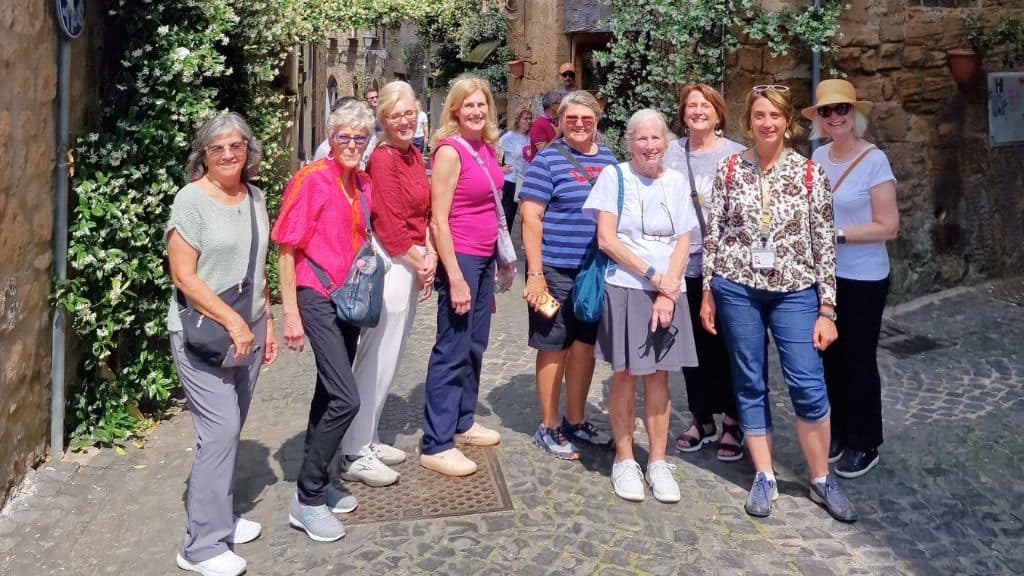
Carolyn and Rich have joined us seven times. They had been on tours with other operators before they found us. They keep coming back. In Carolyn’s words, traveling with us feels like being with people who care about Italy the way they do. We did not write that for her. It’s simply what she says.
Not every operator will have guests like Carolyn and Rich. But every operator running good tours will have some version of that story. Ask for it.
Ready to choose your small group tour?
If you are comparing tours and want to see what we do in practice, the best starting point is our tour pages. Every itinerary includes a full day-by-day breakdown, an inclusions list, and information on upcoming departures. If you are ready to explore traveling with Untold Italy, you can take a look at our trip calendar now.